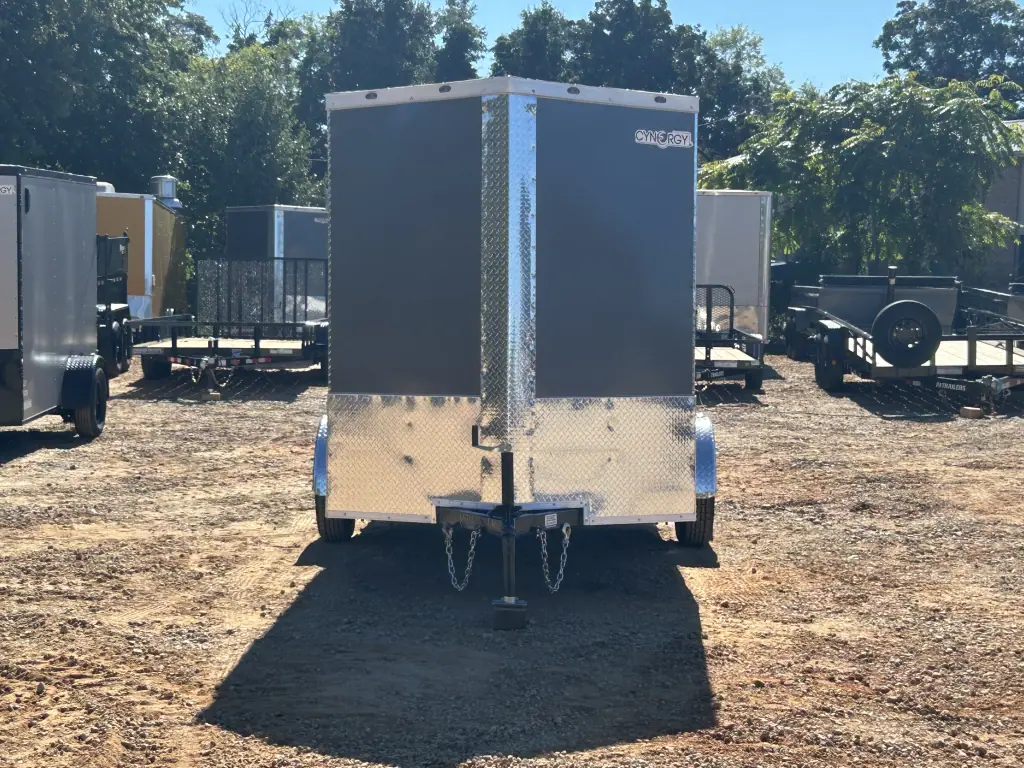
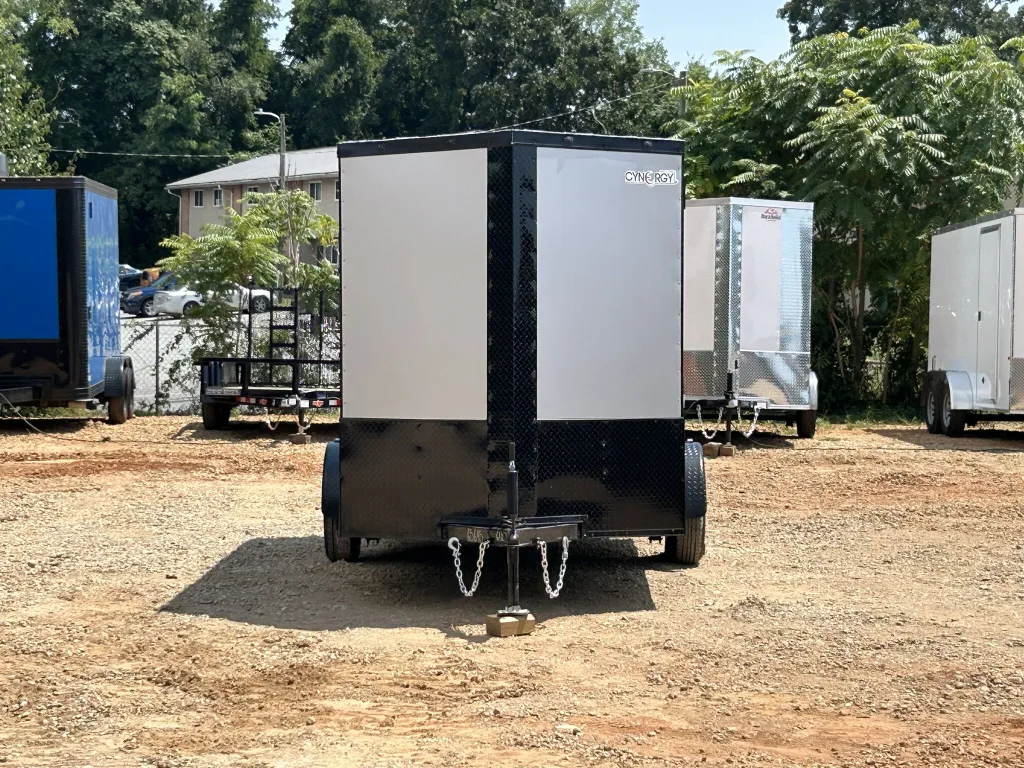
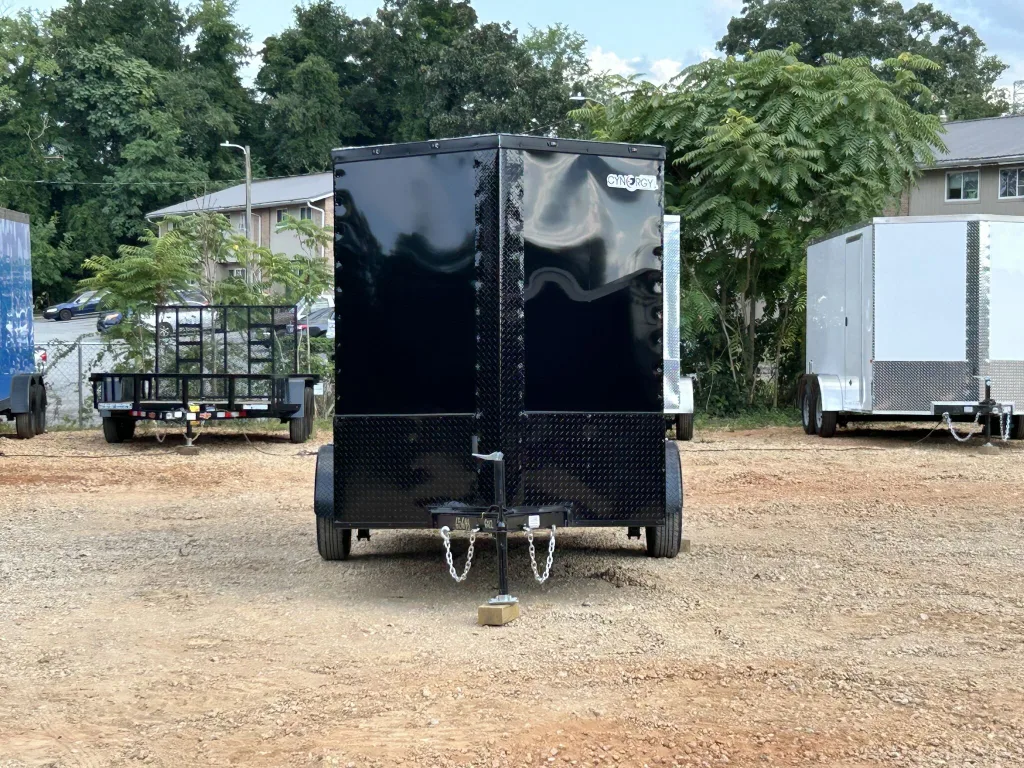
Trailer tongue weight: the number that keeps you from swaying into the ditch
A trailer that sways at highway speed is usually a loading problem, not a hitch problem. Aim for 10 to 15 percent of the load on the tongue, and here is exactly how to get there.
There is a specific kind of fear that comes from a trailer starting to wag behind you at 65 on the interstate. The truck feels like the tail is steering the dog, and every correction makes it worse. Nine times out of ten that trailer is not broken. It is loaded wrong, and the fix costs nothing but knowing where to put the weight.
What tongue weight is, and why it matters
Tongue weight is the downward force the loaded trailer puts on the hitch ball. It is not the same as the trailer's total weight, and it is not extra capacity. It is a slice of the load you already have, and where that slice lands decides whether the trailer tows like it is on rails or fishtails at speed.
The physics is simple. A trailer wants to pivot around its axles. Put enough weight ahead of the axles, pressing down on the tongue, and the trailer's center of gravity stays forward, which keeps it tracking straight behind the truck. Move too much weight behind the axles and the center of gravity slides back, the tongue goes light, and the trailer starts to hunt side to side. That hunting is sway, and once it builds it feeds itself.
The target: 10 to 15 percent
For a standard bumper pull trailer, tongue weight should land between 10 and 15 percent of the total loaded trailer weight (Fastway Trailer, Weigh Safe). On a trailer that weighs 5,000 pounds loaded, that is 500 to 750 pounds pressing on the ball.
Go below 10 percent and the trailer sways. Go above 15 percent and you overload the hitch, squat the truck's rear, and lighten the front axle enough to hurt steering and braking. The band is not arbitrary. It is the range where the trailer stays stable without overwhelming the tow vehicle.
Gooseneck and fifth wheel trailers play by different numbers because the load sits over the truck's rear axle instead of behind the bumper. There the target, usually called pin weight, runs higher, roughly 15 to 25 percent of the loaded weight, which is one reason goosenecks tow so steady. If you are weighing a bumper pull against a gooseneck for a heavy load, that stability difference is real, and you can compare the pull types across our gooseneck trailers and standard cargo lineup.
| Trailer type | Target download | Called |
|---|---|---|
| Bumper pull | 10 to 15% of loaded weight | Tongue weight |
| Gooseneck / fifth wheel | 15 to 25% of loaded weight | Pin weight |
How to actually measure it
You do not have to guess. Three ways, from roughest to best.
The bathroom scale trick works for lighter tongues. Rest the coupler on a scale at its normal towing height (use a sturdy block and a lever if the weight exceeds the scale's limit, and do the math). Read the number.
A dedicated tongue weight scale is the clean answer if you tow often. It reads the download directly and handles heavy tongues a bathroom scale cannot.
The public scale method gives you both totals. Weigh the whole rig, then unhook and weigh just the truck. The difference, roughly, is what the trailer's tongue was adding to the truck. Combine that with the trailer's total weight and you have your percentage.
Whatever you use, measure with the trailer loaded the way you actually tow it, not empty. Empty tongue weight tells you almost nothing about how a loaded trailer will behave.
Loading so it tows straight
Getting to the right number is mostly about where the heavy stuff goes.
Put the heaviest items over or just ahead of the axles, low and centered. That single habit fixes most sway. On a tandem, "over the axles" means centered between the two. Load front to back so that a bit more weight sits forward of the axles than behind them, which keeps the tongue in the 10 to 15 percent range.
Then tie it down so it cannot move. A load that shifts rearward at 60 mph turns a well balanced trailer into a swaying one in the space of a mile. Ratchet straps to the anchor points, heaviest items secured first, and check them after the first few miles.
A few habits that keep it honest:
- Keep the load low. A tall, top heavy load raises the center of gravity and makes the trailer tippy in crosswinds and curves, even with correct tongue weight.
- Do not fix a light tongue by cranking the trailer nose down with the jack. That changes the ride height and the geometry, not the balance. Move the load instead.
- Air the tires to the pressure on the sidewall. A soft tire lets a trailer wander in a way that feels like a loading problem. We cover why in our tire guide.
- If sway persists on a properly loaded trailer, a sway control bar or a weight distribution hitch can help, especially on heavier loads behind lighter trucks.
When balance is not the whole story
If you have the load right, the tires aired, and the trailer still tows badly, the problem may be under the trailer, not on top of it. A bent axle, worn bushings, mismatched tire sizes, or a loose hub can all make a trailer wander no matter how you load it. That is worth a look on a lift. The hitch and ball themselves matter too; the ball has to match the coupler size and the whole setup has to sit level. We break down hitch and ball matching in the hitches and locks we carry, and how the truck side of the equation limits you in what your tow vehicle can actually tow.
Bring a trailer that will not settle down to our service shop and let us check the axle alignment, bearings, and hitch height. A trailer should track dead straight behind you, and when it does not, there is a reason worth finding before your next long haul.
Sources
Ready to shop, or want us to handle it?
Come see us here in Greenville, browse what's on the lot right now, or let our service shop take care of the work.