Choosing the right enclosed cargo trailer size
A 6x12 and a 7x16 sound close on paper and haul very differently in real life. Here is how width, length, interior height, axle count, and the V-nose actually change what a cargo trailer can do.
The most common regret we hear about a cargo trailer is not that somebody bought too big. It is that they bought too small, saved a few hundred dollars, and now play Tetris every single load. Sizing an enclosed trailer well means thinking past the one job you are buying it for today. Here is how the dimensions actually shake out.
Width sets the whole personality of the trailer
Cargo trailers come in a few standard widths, and width matters more than most first time buyers expect. It decides whether you can turn things sideways, whether a mower or a side by side fits between the wheel wells, and how the trailer tows.
- 5 foot trailers are small and light, easy to pull behind almost anything. Good for motorcycles, small tool loads, and light moving.
- 6 foot is the everyday utility width. A 6x12 is one of the most popular trailers ever built for a reason: it handles a household move, a lawn crew's gear, or a weekend project without being a handful to tow or park.
- 7 foot starts to feel like a room. You can walk down one side of a stacked load and things fit crossways that would not in a six.
- 8.5 foot is the widest you can tow without an oversize permit, since South Carolina and most states cap legal width at 102 inches, which is 8.5 feet (SC Code 56-5-4070). This is the width for car hauling inside a box, big contractor rigs, and anything where you want to fit a vehicle or a pallet without threading a needle.
A wider trailer catches more wind and tows a little heavier, but for most people the extra room is worth it. See how the widths compare across our enclosed trailer lineup.
Length, and the honest way to read it
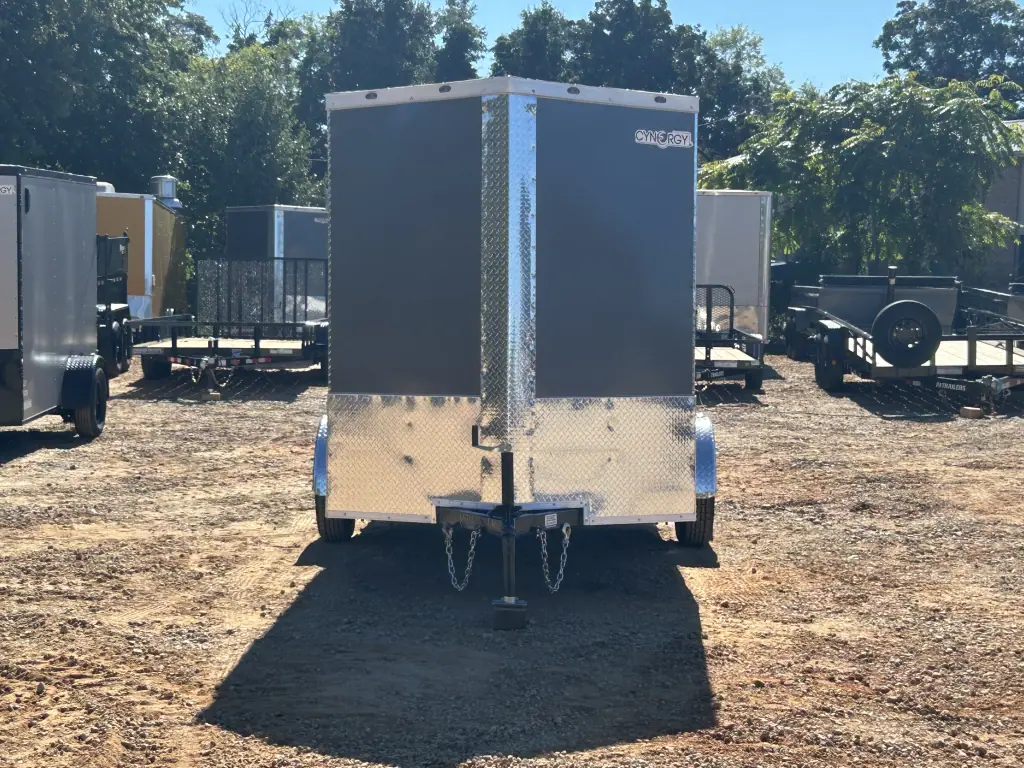
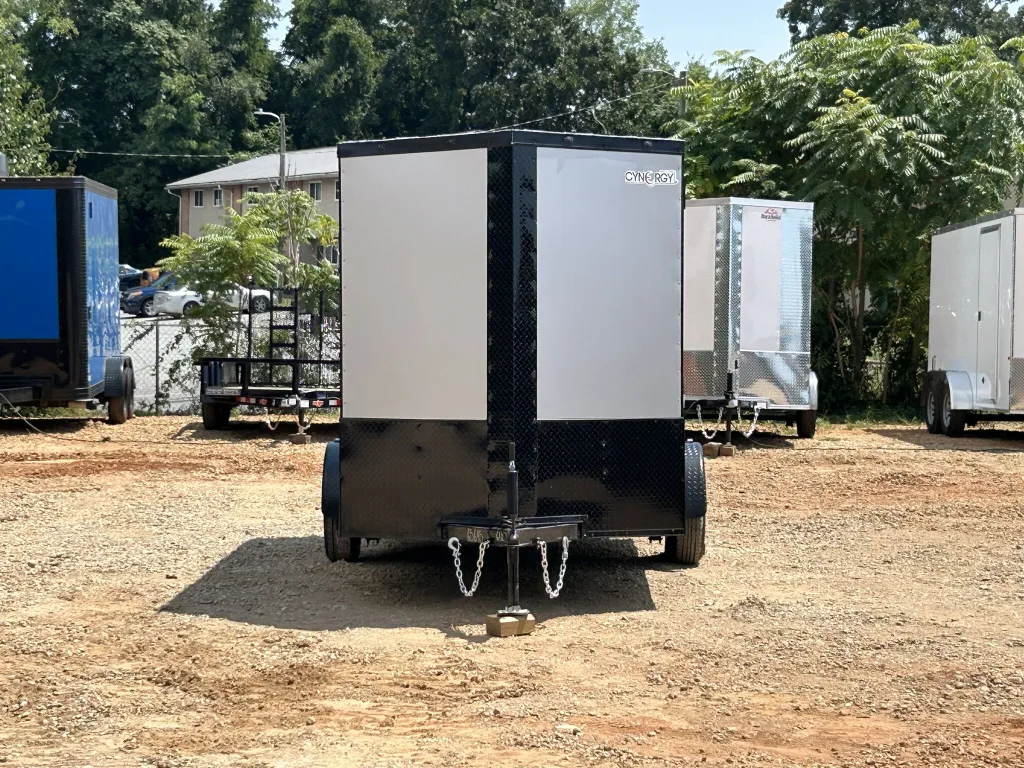
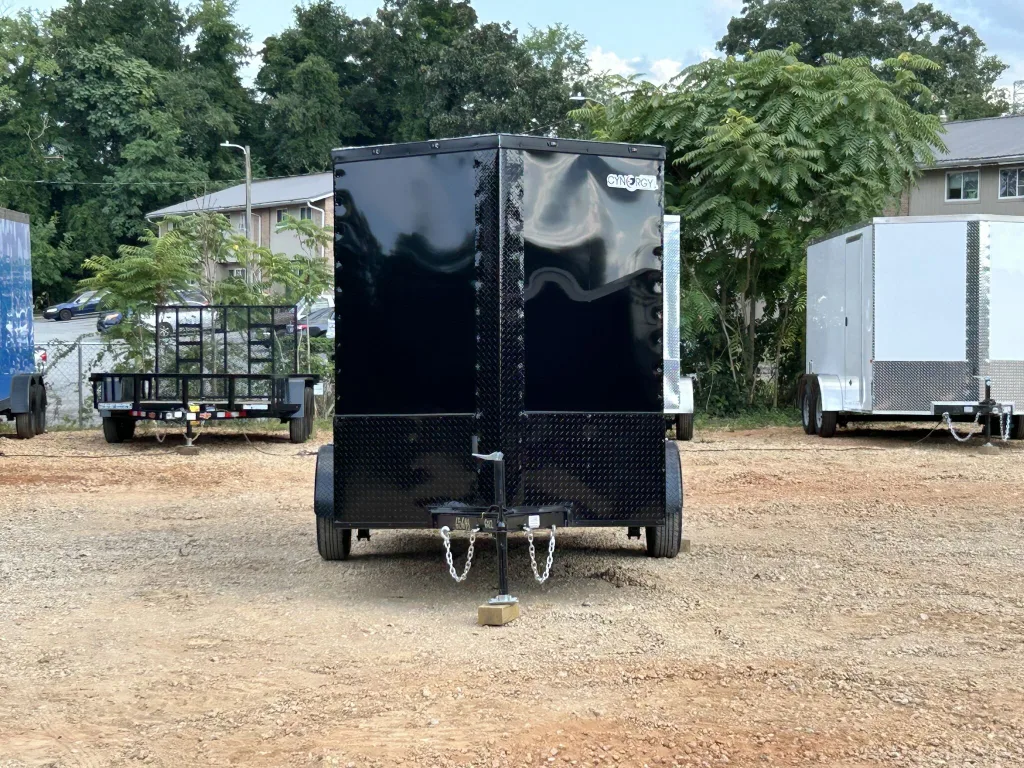
Length is where people misjudge the most, partly because of how it is measured. Enclosed trailer length usually refers to the box floor, from the back of the box to the front wall. On a V-nose trailer, that pointed front section adds roughly two feet of usable space up front that often is not counted in the model name. So a "7x16" V-nose gives you closer to eighteen feet of floor, with the tip of the V handy for straps, cords, and long items.
The V-nose earns its keep two ways. It adds that bonus storage, and it cuts wind resistance compared to a flat front, which helps a little at highway speed. Almost every mid size and larger cargo trailer we carry is a V-nose now.
A rough starting point for length, then adjust up:
| What you haul | Common size to start |
|---|---|
| Motorcycle, small tools | 5x8 to 6x10 |
| Household move, lawn crew | 6x12 to 7x14 |
| One car, side by side, contractor gear | 7x16 to 8.5x18 |
| Two cars, big equipment, mobile shop | 8.5x20 and up |
Interior height is the spec people forget
Floor size gets all the attention, then a rider bumps his head or a stacked pallet will not clear the ceiling. Standard interior height on a cargo trailer runs about 6 feet 3 inches, and builders offer taller options up through 6 feet 6, 7 feet, and even 8 feet on larger models. If you plan to stand up inside, roll a tall machine in, or stack two levels, order the extra height when you buy. You cannot add it later.
Watch the door opening too, not just the interior. The rear ramp or barn door opening is always shorter than the interior height, so a machine that fits inside can still be too tall to get through the door. Measure the tallest thing you will load, then check the door height, not the ceiling.
Single axle or tandem
Below about twelve feet, a single axle keeps things light, cheap, and easy to back into a tight driveway. One set of tires and bearings to maintain, and it turns on a dime.
Once you get longer or plan to haul real weight, a tandem axle is the right call. Two axles roughly double the load rating, tow far steadier at highway speed, and give you a fighting chance to limp home if a tire lets go instead of dropping a corner on the interstate. Most 7 foot and 8.5 foot trailers, and anything you will load past a couple thousand pounds, should be tandem. The load rating that comes with those axles is set by the same math we cover in our axle ratings guide.
Whatever you choose, do the payload math before you load it. A cargo trailer's carrying limit is its GVWR minus its own empty weight, and a fully boxed trailer weighs more empty than an open utility of the same length. We walk through it in our payload capacity guide, and the tires under it need to match, which we cover in choosing the right trailer tires.
Buy for the job you will grow into
The pattern we see: someone buys a 6x10 for a specific move, then a year later they are hauling a side by side, helping a buddy move, and wishing they had the 7x14. Cargo space you do not need this month tends to fill itself. Buy one size up from your current job if the budget and your tow vehicle allow it, and you will rarely regret it. The exception is if your tow vehicle or your parking is tight, in which case right sizing beats going big.
Not sure which size pairs with your truck and your loads? That is a five minute conversation, and it is worth having before you buy. Come walk the lot with us or reach out through our contact page, tell us what you haul, and we will point you at the right box. If the trailer you want is a stretch on price, we also lay out financing and rent to own so you can get the size you actually need instead of the size you can pay cash for today.
Sources
Ready to shop, or want us to handle it?
Come see us here in Greenville, browse what's on the lot right now, or let our service shop take care of the work.